
Dual vs Single Boiler Espresso Machine
View Our Tea ProductsWhen creating exceptional espresso, consistency is everything. From temperature stability to steam performance, the elements of your machine play a vital role in delivering the perfect cup. One of the biggest factors influencing this consistency is the boiler system. Whether you’re running a busy café or perfecting your coffee service at home, understanding the difference between single vs dual boiler espresso machines can help you choose the right model for your needs.
What is a Single Boiler Espresso Machine?
A single boiler espresso machine uses one shared boiler to manage both brewing and steaming. The system heats water to the optimal temperature for espresso extraction, then raises it further when you switch to steam mode for milk frothing. This means the machine alternates between brewing and steaming functions, rather than performing both at the same time.
Single boiler machines are ideal for those who value total simplicity. They’re compact, energy-efficient, and generally more affordable than larger dual boiler models, making them a great choice for smaller cafés, offices, or home users looking to enjoy high-quality espresso without the footprint of a commercial setup. However, because a single boiler can only handle one process at a time, there’s a short waiting period while the temperature adjusts between brewing and steaming. For high-volume or fast-paced environments, this can potentially slow service and limit workflow efficiency.
What Is a Dual Boiler Espresso Machine?
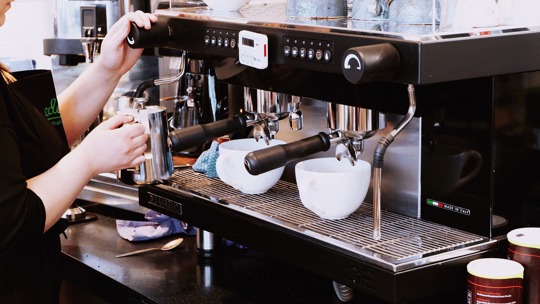
A dual boiler espresso machine features two separate boilers: one dedicated to brewing and the other to steaming. This design allows both processes to run simultaneously, maintaining precise temperatures for each function without compromise. The result is exceptional temperature stability and seamless workflow, even during busy service periods.
With independent boilers, baristas can extract espresso and steam milk at the same time, ensuring faster preparation and consistent quality across every cup. The system also keeps brew water at a steady, optimal temperature, helping to bring out the best flavour from every bean.
While dual boiler machines require a larger footprint, higher energy use, and a greater initial investment, their reliability and performance make them the preferred choice for cafés, restaurants, and professional coffee setups where consistency and speed are essential.
Key Differences Between Dual and Single Boilers
The main difference between single and dual boiler espresso machines lies in how they manage temperature and workflow. A single boiler system uses one shared boiler for both brewing and steaming, which means it can’t perform both tasks at the same time. While this setup is simpler, more compact, and easier to maintain, it offers only moderate temperature stability and is best suited to low or medium use, such as small cafés, offices, or home environments.
By contrast, a dual boiler machine has two dedicated boilers: one for brewing and one for steaming. This allows baristas to extract espresso and froth milk simultaneously, ensuring speed, precision, and excellent temperature consistency under pressure. Though dual boilers require more space, energy, and maintenance, they deliver the reliability and performance demanded by busy cafés and professional coffee operations.
Pros and Cons of Dual Boiler vs Single Boiler Espresso Machine
Let us start by saying that both single and dual boiler espresso machines have their advantages, depending on your space, budget, and level of use. However, for a more outlined look into the pros and cons, read below.
Single Boiler Machines
Pros: Affordable, energy-efficient, and compact, ideal for smaller operations or home users looking for quality espresso without a commercial setup.
Cons: Limited workflow efficiency, as brewing and steaming can’t happen simultaneously.
They may also experience slight temperature variation during heavy use.
Dual Boiler Machines
Pros: Offers professional-grade performance with precise temperature control and the ability to brew and steam at the same time. Perfect for consistent results in high-demand environments.
Cons: Typically more expensive, require more maintenance, and take up more counter space than single boiler models.
Which Espresso Machine Is Best for You?
Choosing between a single and dual boiler espresso machine depends on how and where you serve coffee. For cafés, restaurants, and other busy hospitality venues, a dual boiler model is the ideal choice, offering the speed, precision, and consistency needed to deliver exceptional drinks throughout the day.
For smaller businesses, offices, or home users, a single boiler machine provides a great balance of quality, efficiency, and affordability. It’s a practical way to enjoy café-standard espresso without the larger footprint or higher running costs.
At Café Du Monde, we supply both single and dual boiler espresso machines, complete with professional installation, support, and training through our Académie du Monde. Whatever your setup, our team is here to help you find the right equipment to craft coffee with confidence.
Explore Café Du Monde’s Range of Espresso Machines
Whether you’re setting up a new coffee offering or upgrading your current setup, Café Du Monde supplies an extensive range of professional espresso machines to suit every environment. Our collection includes trusted brands such as Astoria and Pratic Avant, known for their reliability, performance, and precision engineering.
From compact single boiler models to high-capacity dual boiler systems, we’ll help you find the right fit for your space, service style, and budget, complete with expert installation, ongoing support, and barista training through our Académie du Monde.
Discover Our Other Guides
-

-

The Coffee Production Process
Coffee is a hugely popular drink across the globe and is therefore grown on a large scale - but have you ever thought about the coffee production process?
Discover -

The Coffee Supply Chain
The coffee supply chain is quite complex as there are various different routes that your coffee can come from as well as different countries.
Discover -

Coffee taste and aroma
Coffee is packed with great flavours and aromas that are different across the types of coffee bean.
Discover -

How to choose an Espresso Machine
Find out everything you need to know before buying an espresso machine.
Discover -

Types of coffee beans
There are four main types of coffee bean: Arabica, Robusta, Excelsa and Liberica and they all have a drastically different taste.
Discover -

What is Arabica Coffee?
Arabica coffee is the most popular type of coffee with over 60% of coffee production in the world.
Discover -

What is Robusta Coffee?
Arabica coffee is the second most popular type of coffee with it contributing to around 40% of coffee production in the world.
Discover -

Where is coffee from?
Coffee is grown in over 50 countries across the world. Find out more about these countries and the growing process.
Discover -

Types of tea
Find out more about the different types of tea. There are many different varieties of tea - but they all come from the same plant.
Discover -

The Different Types Of Coffee Drinks Guide
Find out more about the different types of coffee drinks. There are many different varieties of coffee drinks that all taste different.
Discover -

What is a Mocha?
The drink is a chocolatey coffee; perfect for people with a sweet tooth! Find out more about Mocha Coffee.
Discover -

What is a Cappuccino?
A cappuccino coffee is the second most popular coffee, shortly after the latte! Find out more about Cappuccino Coffee.
Discover -

What is a Latte?
A latte is one of the most common coffees that casual coffee drinkers tend to favour. Find out more about Latte Coffee.
Discover -
How to grind coffee beans
Find out how to grind coffee beans with and without a coffee grinder. We discuss the best methods so you can grind coffee beans with ease.
Discover -

How Much Caffeine Is In Decaf Coffee?
Decaffeinated coffee is a reduction of caffeine, of around 97%, and caffeine is still present. Find out how much caffeine is in decaf coffee.
Discover -

How Is Coffee Decaffeinated?
There are four common methods for making coffee beans decaf, and despite being a complex process, it has remained for centuries. Find out more.
Discover -

How To Foam Milk
There’s something about having a thick layer of foam on the top of your coffee that makes it feel and taste so much more luxurious - and when it comes to top coffee, Cafe Du Monde are your experts.
Discover -

Coffee for breakfast
Whether you are looking for a coffee to pair with croissants or the best coffee for a full english breakfast - we have got the perfect pairing for your breakfast.
Discover -
How to store coffee beans
Did you realise that long before the process of making a fantastic coffee you need to think about how you’ll store it first for the best outcome?
Discover -
How To Steam Milk
If there’s ever a way to enhance the quality of your coffee or hot chocolate, it’s by adding steamed milk to your cuppa. This greatly improves the quality of the milk.
Discover -

What is a Flat White?
The Flat White coffee is one of the newer drinks in the coffee world, arising within the last few years or so.
Discover -

What is an Americano?
The Americano is a strong and bold drink that doesn’t require the sweetness of steamed milk or froth to create its classic look.
Discover -

What is an Espresso?
An espresso is simply a coffee in a concentrated form, usually served in shots. Find out more about Espresso Coffee.
Discover -

How To Make Cafetiere Coffee
So you’ve bought your preferred coffee from us and a handy cafetiere, also known as a French press, but how do you use it?
Discover -

-

Instant Coffee Machines
Browse our wide range of commercial instant coffee machines and shop online today.
Discover -

The benefits of coffee machines for hotels
Read about the benefits of coffee machines for hotels
Discover -

How to remove limescale from a coffee machine
How to remove limescale from a coffee machine
Discover -

Types of coffee roasts
There are many different types of coffee roasts available, each with its own unique flavour, aroma, and characteristics.
Discover -

The Best Coffee Machines for Offices and the Benefits to Owning One
Read about the best coffee machines for offices and the benefits to owning one
Discover -

The best coffee machines for Coffee Shops
Browse and learn more about the best coffee machines for coffee shops.
Discover -

-

-
The best coffee machines for Restaurants
Browse and learn more about the best coffee machines for restaurants.
Discover -
How To Tamp Coffee
Whilst you can experiment with blends and roasts, tamping is one of the most important elements to get right when it comes to serving up a rich, smooth and well-balanced shot.
Discover -

-

How to brew coffee at home
Knowing how to brew a coffee that gives you that great tasting experience is something that requires practice, our guide is the perfect place to start.
Discover -
How To Do Latte Art
Would you be able to identify a latte without its art? Find out how to do different latte art today.
Discover -

What is a Macchiato?
The Macchiato coffee is one of the less recognised coffees amongst them all. Find out more about Macchiato Coffee.
Discover